

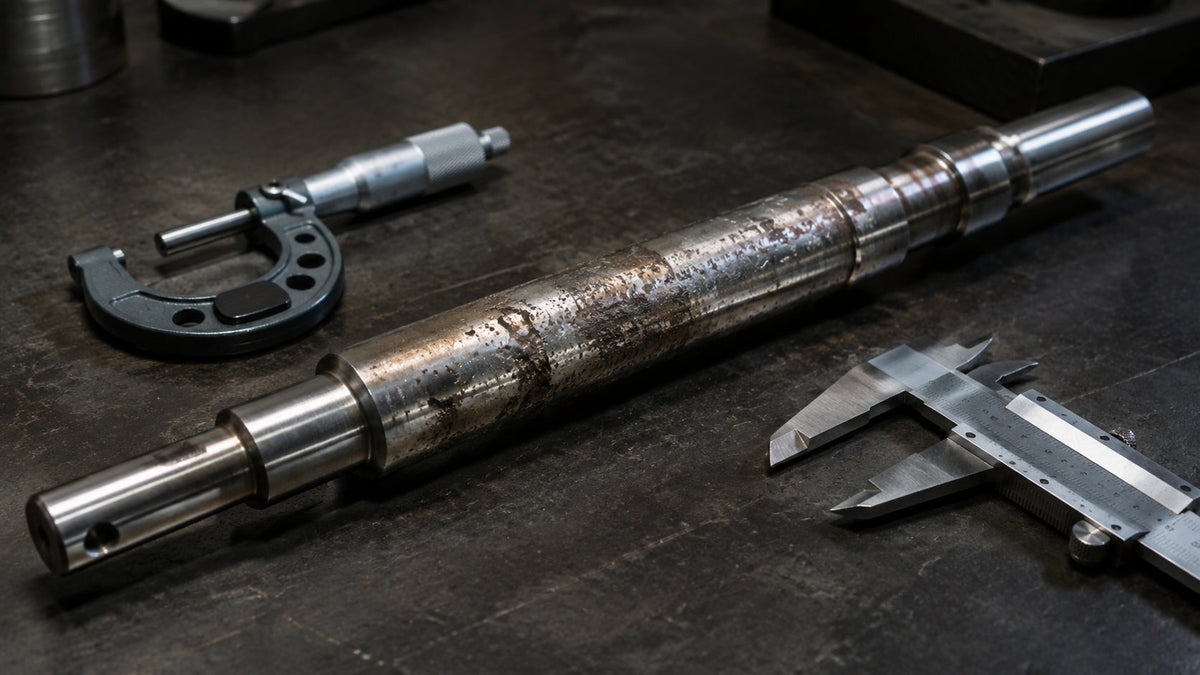
A powder metal component can look deceptively simple.
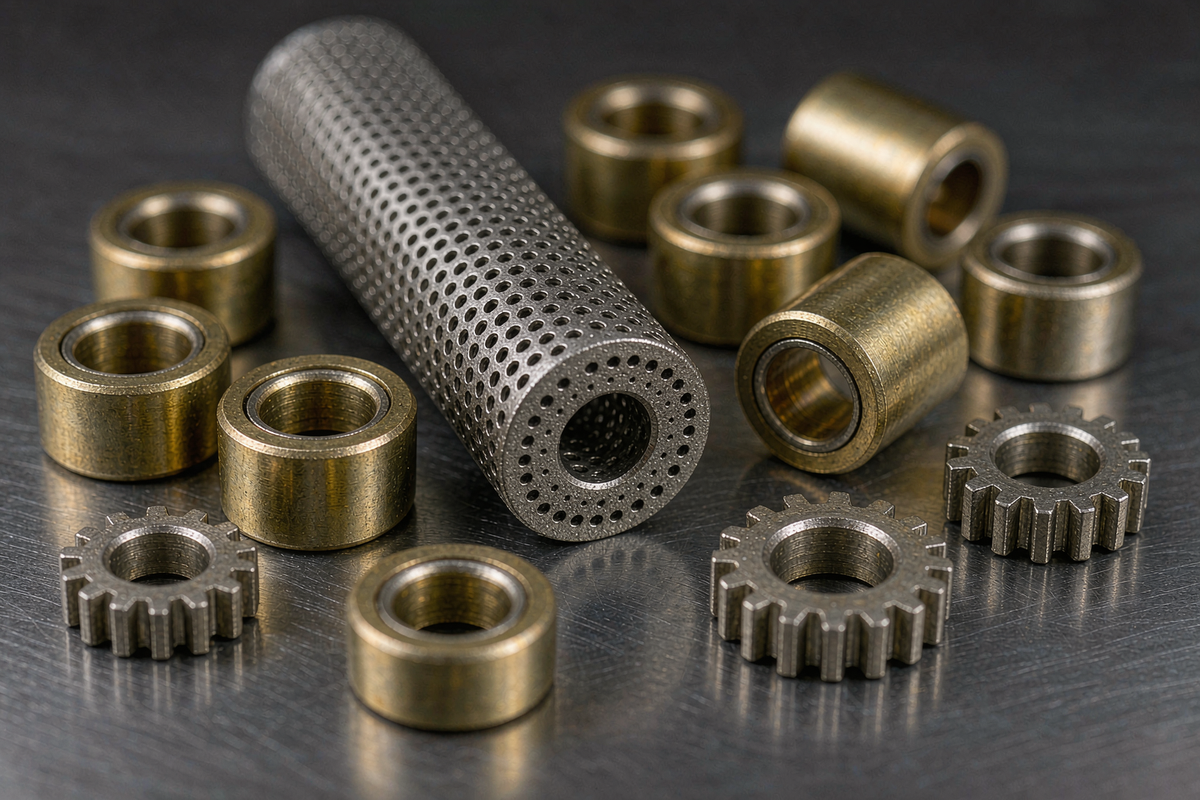
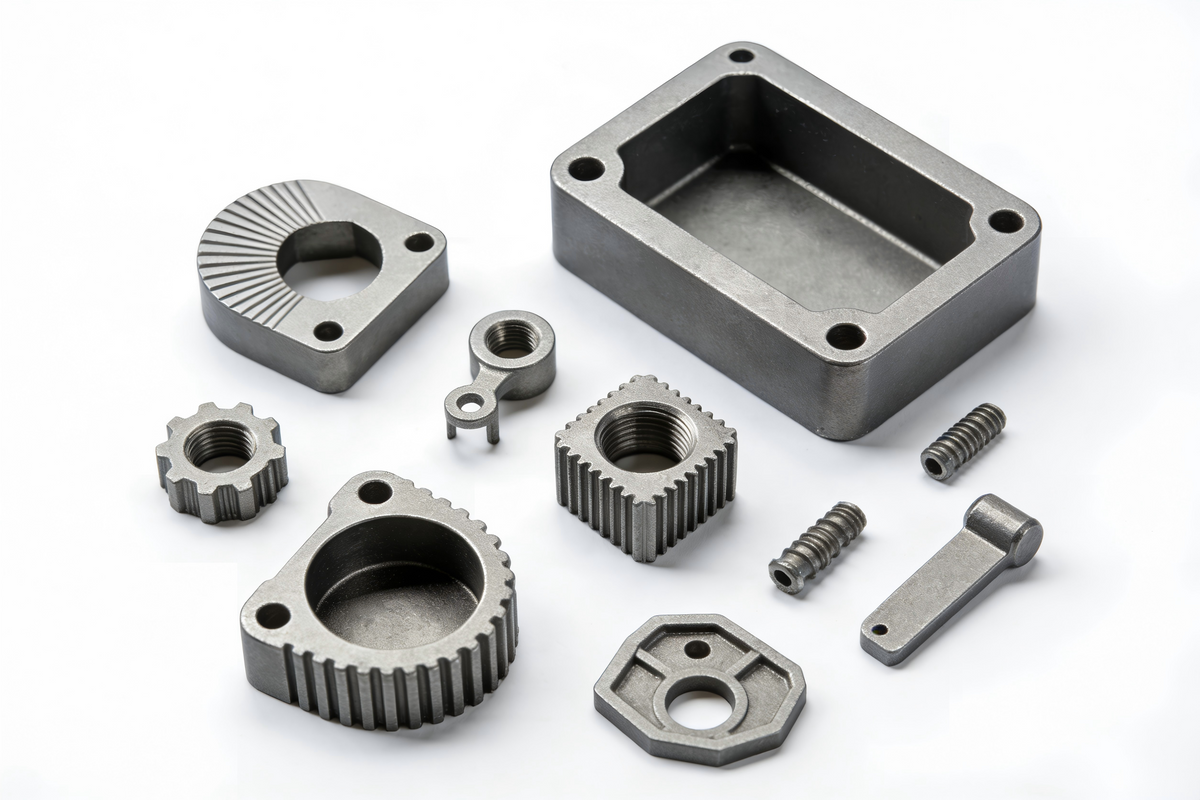
It may be a small gear, a structural bracket, a bearing component, or a custom-shaped metal part used inside a larger assembly. On a drawing, the geometry looks straightforward. The material is specified, the dimensions are listed, and the production quantity has been estimated.
So why do some projects run smoothly while others struggle with inconsistent dimensions, unexpected costs, or parts that fail during assembly?
In many cases, the difference comes down to how the component is manufactured.
Choosing among powdered metal manufacturers is not simply about comparing quotations. It is about understanding whether a manufacturer can turn a part design into a stable, repeatable production process.
The Real Problem Often Starts Before Production
One of the most common mistakes in powder metallurgy sourcing is evaluating manufacturers based mainly on unit price.
Imagine you need 50,000 small metal components for an automotive or industrial application. You receive two quotations.
Manufacturer A offers a lower price. Manufacturer B costs slightly more but recommends changing the part geometry before tooling begins.
At first glance, Manufacturer A seems like the obvious choice.
However, the original design may contain a thin wall, an uneven cross-section, or a feature that makes powder compaction difficult. These details can affect density distribution during pressing and dimensional stability after sintering.
A manufacturer that simply follows the drawing may produce the part, but that does not necessarily mean the process is suitable for long-term production.
An experienced powder metallurgy manufacturer should be able to identify these risks before they become expensive problems.

Why Part Geometry Matters in Powder Metallurgy
Powder metallurgy uses metal powder that is compacted under pressure and then heated in a controlled atmosphere below the material's melting point.
Although the process is efficient for high-volume production, it has specific design limitations.
Unlike machining, where material can be removed from almost any accessible surface, conventional powder compaction depends on the movement of punches within a die.
This means part geometry directly affects manufacturing feasibility.
Three design details deserve particular attention:
1. Wall thickness
Significant differences in wall thickness can create uneven powder filling and density distribution. During sintering, these variations may contribute to inconsistent dimensional changes.
2. Undercuts and side features
Features that cannot be formed through the normal pressing direction may require additional tooling mechanisms or secondary machining. This can increase tooling complexity and production costs.
3. Height-to-diameter ratio
Tall or slender components can present challenges during powder filling, compaction, and ejection. The appropriate design depends on the material, geometry, and available press capabilities.
These are not reasons to abandon powder metallurgy. They are reasons to involve the manufacturer early.
A small adjustment to the design may reduce tooling complexity and improve production consistency without changing the component's actual function.

The Difference Between Making a Sample and Maintaining 50,000 Parts
A manufacturer may successfully produce ten acceptable samples. But can the same process maintain dimensional consistency across 50,000 components?
That is a much more important question.
In powder metallurgy, production consistency depends on several interconnected variables:
-
Powder composition and particle characteristics
-
Powder filling and compaction pressure
-
Green density distribution
-
Sintering temperature and atmosphere
-
Furnace loading and process control
-
Tool wear and dimensional compensation
For example, the compacted component before sintering is known as a green part. It has enough strength for handling but has not yet developed its final metallurgical properties.
During sintering, particles bond together and the component undergoes dimensional changes. If the process is not properly controlled, the finished dimensions may vary.
This is why a capable manufacturer should not rely on final inspection alone. Process monitoring and consistent production conditions are equally important.
For buyers, it is worth asking how the manufacturer controls dimensional variation between production batches, rather than simply asking whether it can meet the drawing dimensions.
What Should You Ask Powdered Metal Manufacturers Before Placing an Order?
A quotation tells you what a manufacturer intends to charge. It does not tell you everything about its manufacturing capabilities.
Before selecting a supplier, consider asking these questions:
| Question | What You Need to Understand |
|---|---|
| Can the part be produced directly by powder compaction? | Whether the geometry is suitable for the process |
| What design changes would you recommend? | Whether the manufacturer can identify production risks |
| How do you control density consistency? | Whether compaction is properly managed |
| What dimensional changes occur during sintering? | Whether shrinkage and dimensional compensation are considered |
| Which features require secondary machining? | Whether additional operations affect cost and lead time |
| How do you maintain batch consistency? | Whether the process is suitable for repeat production |
The answers often reveal more than the quotation itself.
A manufacturer that understands your application should be able to explain not only how it will make the part, but also where the manufacturing risks are and how those risks can be managed.
When Is Powder Metallurgy the Right Choice?
Powder metallurgy is particularly attractive when a component has a relatively repeatable geometry and is required in substantial production quantities.
It can offer several practical advantages:
-
Efficient material utilization compared with many machining processes
-
Good repeatability in high-volume production
-
The ability to produce complex shapes within the limitations of die compaction
-
Controlled porosity for applications such as self-lubricating bearings
-
Reduced machining requirements for suitable component designs
However, it is not automatically the best solution for every metal component.
Parts with unsuitable undercuts, extremely demanding local tolerances, or low production volumes may require alternative processes or additional operations.
The right decision depends on the component's function, geometry, material, annual demand, and total manufacturing cost.
A Better Manufacturer Can Help You Avoid Problems Before They Happen
The best time to identify a manufacturing problem is before the mold is made.
Once tooling is completed and mass production begins, changing the design can become significantly more expensive. This is particularly true when the original design does not account for powder filling, compaction direction, or dimensional changes during sintering.
For this reason, selecting a powder metal manufacturer should involve more than checking equipment lists and comparing prices.
Look for a supplier that can review engineering drawings, discuss material options, evaluate tooling feasibility, and explain how it plans to maintain production consistency.
At MIM Supplier, we focus on metal powder-based manufacturing solutions, helping customers evaluate component designs and manufacturing requirements before production.
Whether you are developing a new component or looking for a more reliable source for an existing part, an early technical discussion can help identify potential issues before they affect your project.
Have a powder metal component that needs manufacturing evaluation?
Send us your drawings, material requirements, and estimated order quantity. Our team can help review the manufacturing approach and discuss a suitable production solution.

Делиться:
Metal Injection Molding Aluminum: Why Sintering Is the Biggest Challenge